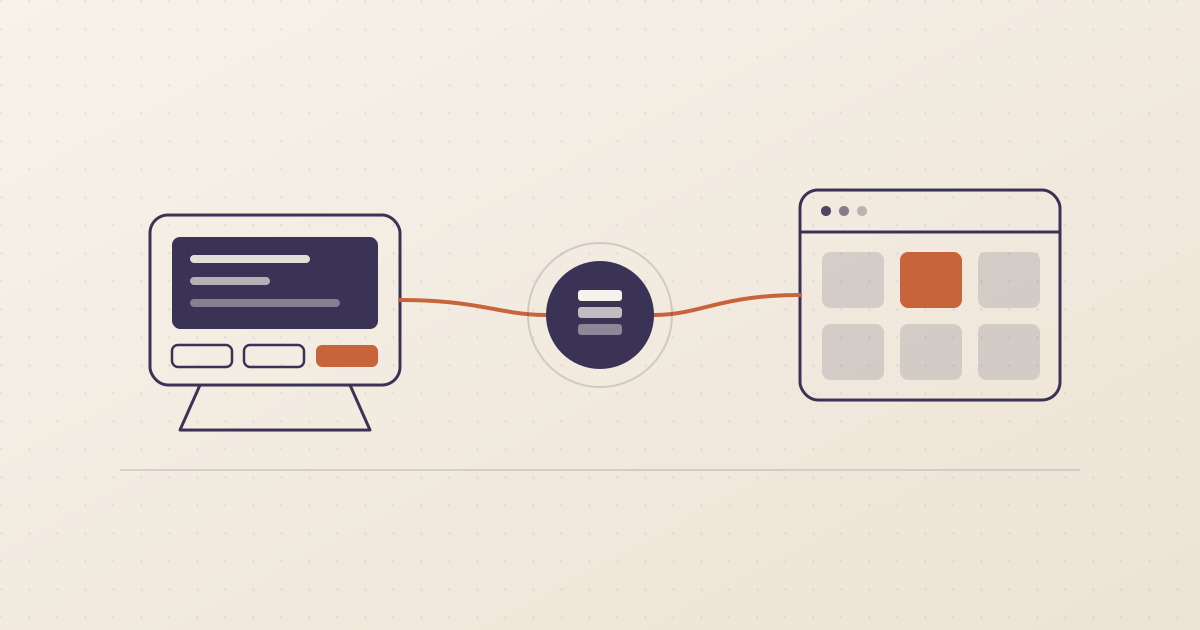
A lot of new shops pick a register first, then build an online store later, as if those were two unrelated projects. They are not. If you sell in person and online, the messy part is almost never the hardware. It is inventory, products, and payments living in two places that do not agree.
Treat it as one launch, not two vendors
When the POS and the web store are planned separately, you usually end up with two product lists, two tax setups, and two places to update a price. That works on paper until the first busy weekend, when a size sells out in the shop and still shows available online, or the other way around. Customers notice. Staff start keeping a side list. Trust in both systems drops fast.
We plan the catalog once. One SKU list, one set of variants, one tax logic, one place that is allowed to be the source of truth for on-hand quantity. The register and the website both read from that plan. Vendors can still be different companies. The operating model cannot be. If a vendor demo cannot explain how a sale in one channel reduces availability in the other, keep shopping.
Inventory is the make-or-break link
Decide early whether you will promise online stock from the same pool as the floor. Most small retailers should. Split warehouses and endless safety buffers sound sophisticated and usually hide a spreadsheet. If an item can sell in either channel, both channels need a near-real answer for what is left.
That does not always mean exotic real-time sync on day one. It does mean a clear rule: how often stock updates, who can override a count, and what happens when the sync fails. Write the failure path before opening day. A silent stale quantity is worse than a short currently unavailable state. Schedule cycle counts that match how fast you sell through popular SKUs, not a generic monthly calendar copied from someone else's binder.
Payments and books have to land clean
Card fees, tips, gift cards, online discounts, and in-store returns all have a habit of landing in different buckets if nobody maps them. Accounting then spends the first months of the business reconstructing reality. Map payout reports to the chart of accounts before the first deposit hits. Connect the POS and the web store to the books with the same customer and item discipline you used for inventory.
New businesses get a permanent advantage here. It is much cheaper to set the map before volume arrives than to unwind a year of creative categories later. SMB teams adding ecommerce to an existing register should expect a cleanup week on items and taxes before go-live. Mid-market multi-location brands should treat catalog governance as a project, not a side task, because one bad SKU multiplies across every storefront.
Opening-week failure modes
Two catalogs with almost the same names. Tax set correctly in one channel and guessed in the other. Online orders that never create a pick list the floor understands. Returns that refund money without restoring stock. Staff who only know the register happy path and freeze when a pickup code fails. Each of those is preventable with a rehearsal that uses real SKUs and a test card.
Change management for opening week
Staff need a short playbook: how to take an online order pickup, how to handle an in-store sale when the site is wrong, who can edit a price, and where to look when a barcode fails. Train on the weird cases, not only the happy path. Run a rehearsal. Keep the old clipboard for one weekend only if you must, then retire it on a named date.
Owners often skip this because opening already feels full. Skipping it is how opening creates two truths. We build the rehearsal into the launch plan the same way we schedule the hardware install. Put the playbook behind the counter where people can actually find it during a rush.
A practical sequence
Finalize the catalog and tax rules. Connect inventory rules and the failure path. Connect payouts to the books. Train the floor on pickups, returns, and overrides. Soft-open with friends and family orders across both channels. Then open publicly. If any step is still "we will figure it out live," you are not ready.
After open, review the first two weeks of exceptions together: stockouts, price mismatches, payout questions. Fix the top three causes before you add a third sales channel. Growth on a clean base is cheaper than growth on a double catalog. If you want help shaping that stack as a launch, our New Business path is built for a coordinated open, not a pile of disconnected vendor setups.
Checklist before you announce the open date
- One master catalog export both channels can consume.
- Tax rules matched on a ten-SKU sample across register and web.
- Stock decrement tested: sell in-store, confirm web; sell online, confirm register.
- Payout categories mapped to the chart of accounts.
- Pickup, return, and override playbook printed and rehearsed.
- Named owner for catalog edits in week one.
If any line is still a shrug, move the marketing date, not the systems work. An open with two truths costs more than a week of delay.
After the first month
Compare sell-through and stockout rates across channels. Review tax and fee categories with the bookkeeper. Ask staff which playbook steps they skipped under pressure. Fix those steps before holiday volume or a second location. The launch is not done at open. It is done when both channels stay boring under load.
If your open date is set and the catalog still lives in two places, fix that before you buy another peripheral.
Book a call